

The search for more sustainable construction materials is one of the major challenges facing our society. In a context where the circular economy and the reduction of environmental impact are becoming increasingly important, the use of recycled materials and natural fibers in buildings has emerged as a promising and necessary alternative. However, one key question remains: do these materials maintain their performance after many years of use?
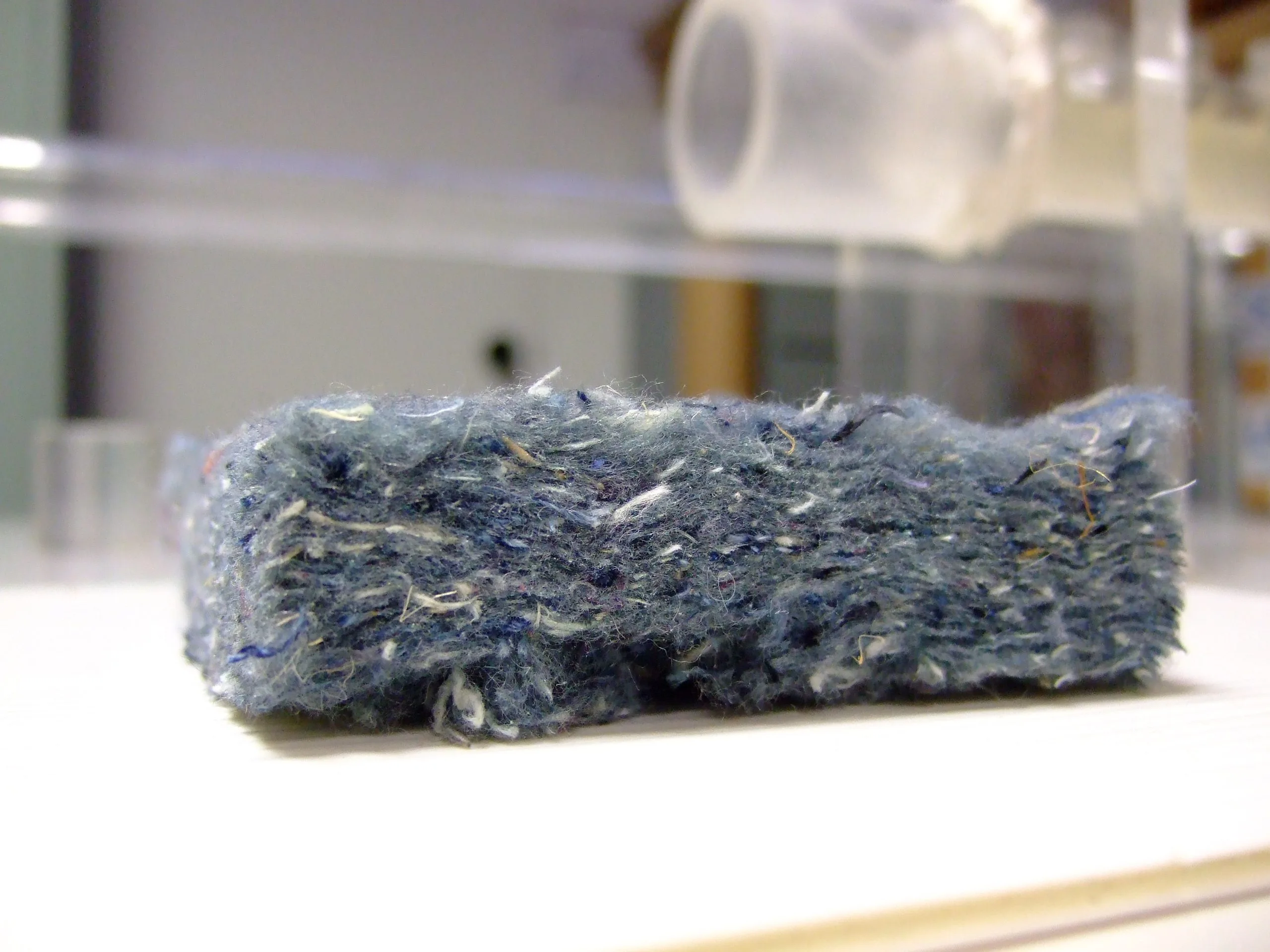
A recent study published in the journal Case Studies in Construction Materials provides an evidence-based answer. The research, led by Professor Jesús Alba from the Gandia Campus of the Universitat Politècnica de València (UPV), with the participation of Romina del Rey and Jordi García, investigates the acoustic durability of sustainable fibrous materials after more than sixteen years of natural ageing under indoor environmental conditions.
Sustainable Materials for Improved Acoustic Comfort
Acoustic absorbent materials are widely used in buildings to reduce reverberation and improve the acoustic comfort of spaces such as classrooms, offices, auditoriums, and homes. They can also contribute to enhanced sound insulation. Traditionally, many of these products have been manufactured using mineral or synthetic materials. However, in recent decades, interest has grown in alternatives made from recycled fibers and natural resources.
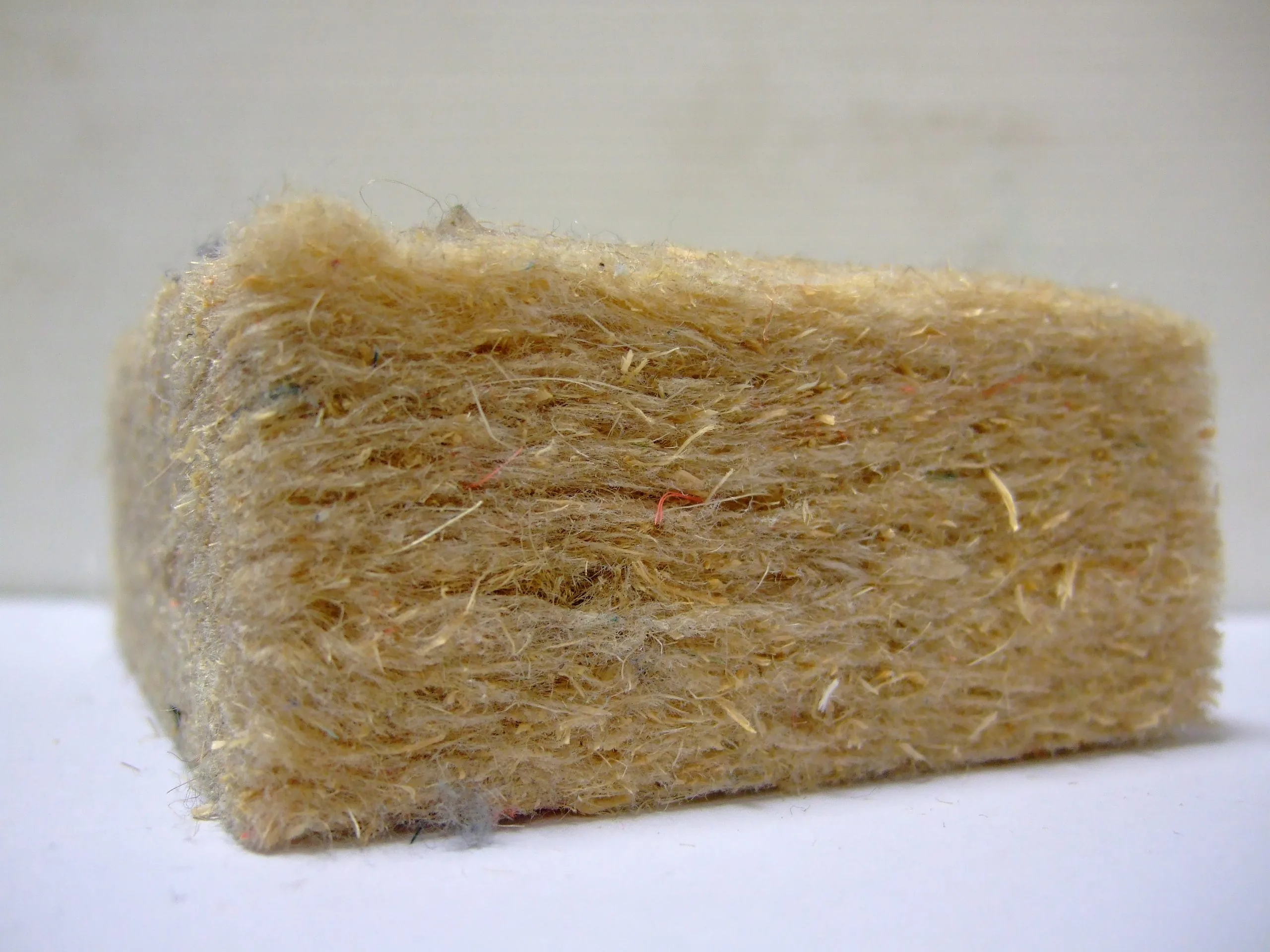
These materials include fibers derived from recycled polyester, recovered textile waste, recycled cotton, wool, hemp, jute, kenaf, and coconut fiber. Numerous studies have previously demonstrated that such products can achieve sound absorption performance comparable to that of conventional materials. Nevertheless, an important knowledge gap remained regarding their long-term behavior.
A Unique Long-Term Experiment
What makes this research particularly significant is its longitudinal nature. The research team recovered 32 acoustic materials that had originally been manufactured and characterized in 2009 as part of a European LIFE project. After the project ended, the samples remained stored for approximately sixteen and a half years under uncontrolled indoor environmental conditions, exposed to temperature fluctuations, humidity variations, and dust accumulation similar to those commonly found in many indoor spaces.
The samples experienced temperatures ranging from approximately 0°C in winter to 35°C in summer, while relative humidity varied between 45% and 85%. The materials were subsequently re-evaluated using exactly the same experimental procedures employed during their initial characterization, allowing a direct and rigorous comparison of the results.
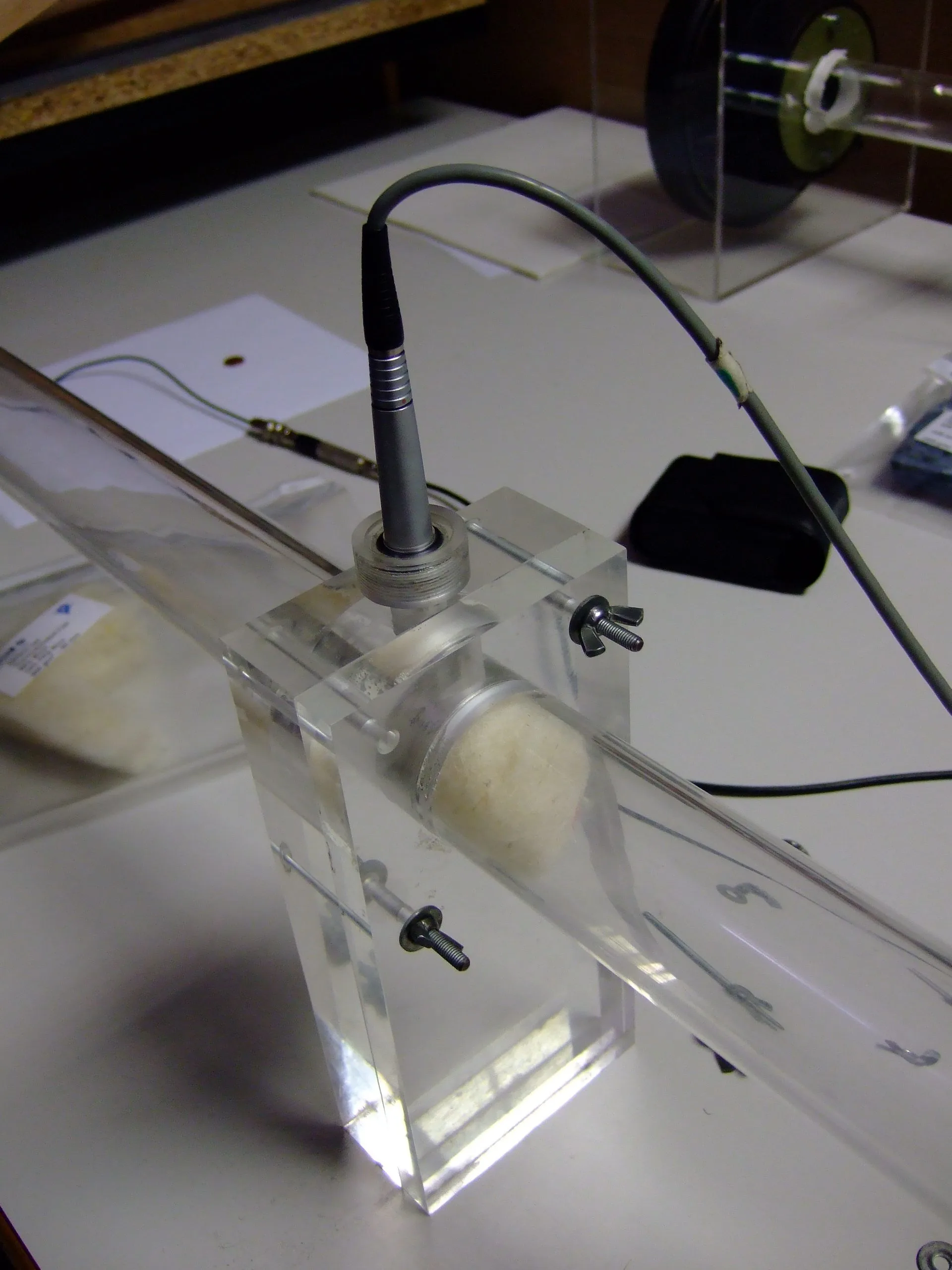
The study examined key parameters affecting acoustic performance, including the normal-incidence sound absorption coefficient and airflow resistivity, two essential indicators for determining the sound absorption capacity of fibrous materials.
Highly Promising Results
The results show that, overall, the materials retained a large proportion of their original acoustic properties even after more than one and a half decades of natural ageing. This finding is particularly encouraging for the sustainable construction sector, as it demonstrates that many materials made from recycled or natural resources can provide long-lasting performance.
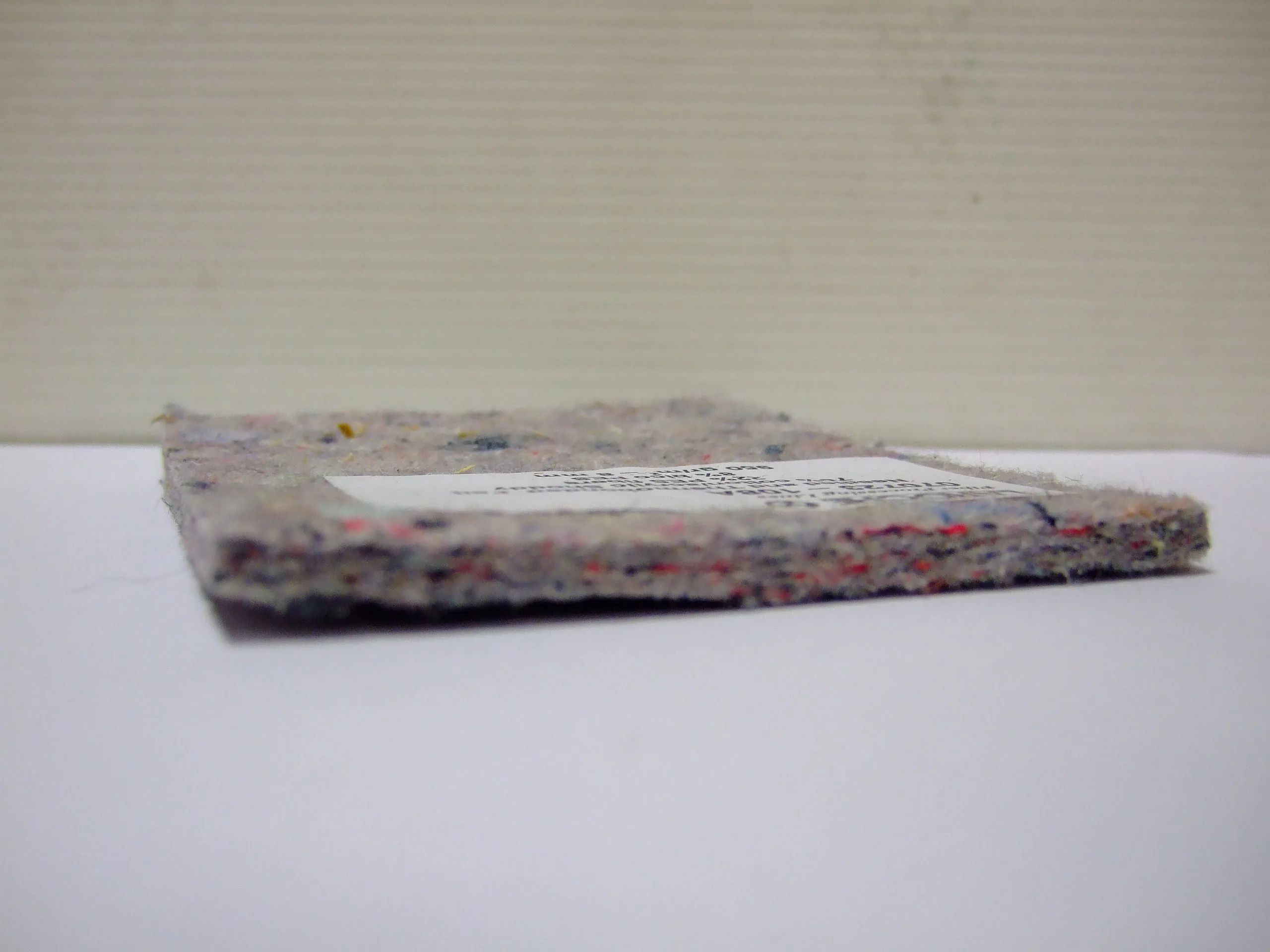
The research also identified differences among material families. Predominantly synthetic composites exhibited greater stability over time, while natural or hybrid materials showed somewhat higher sensitivity to environmental and structural changes. Nevertheless, the overall preservation of their acoustic properties remained remarkable.
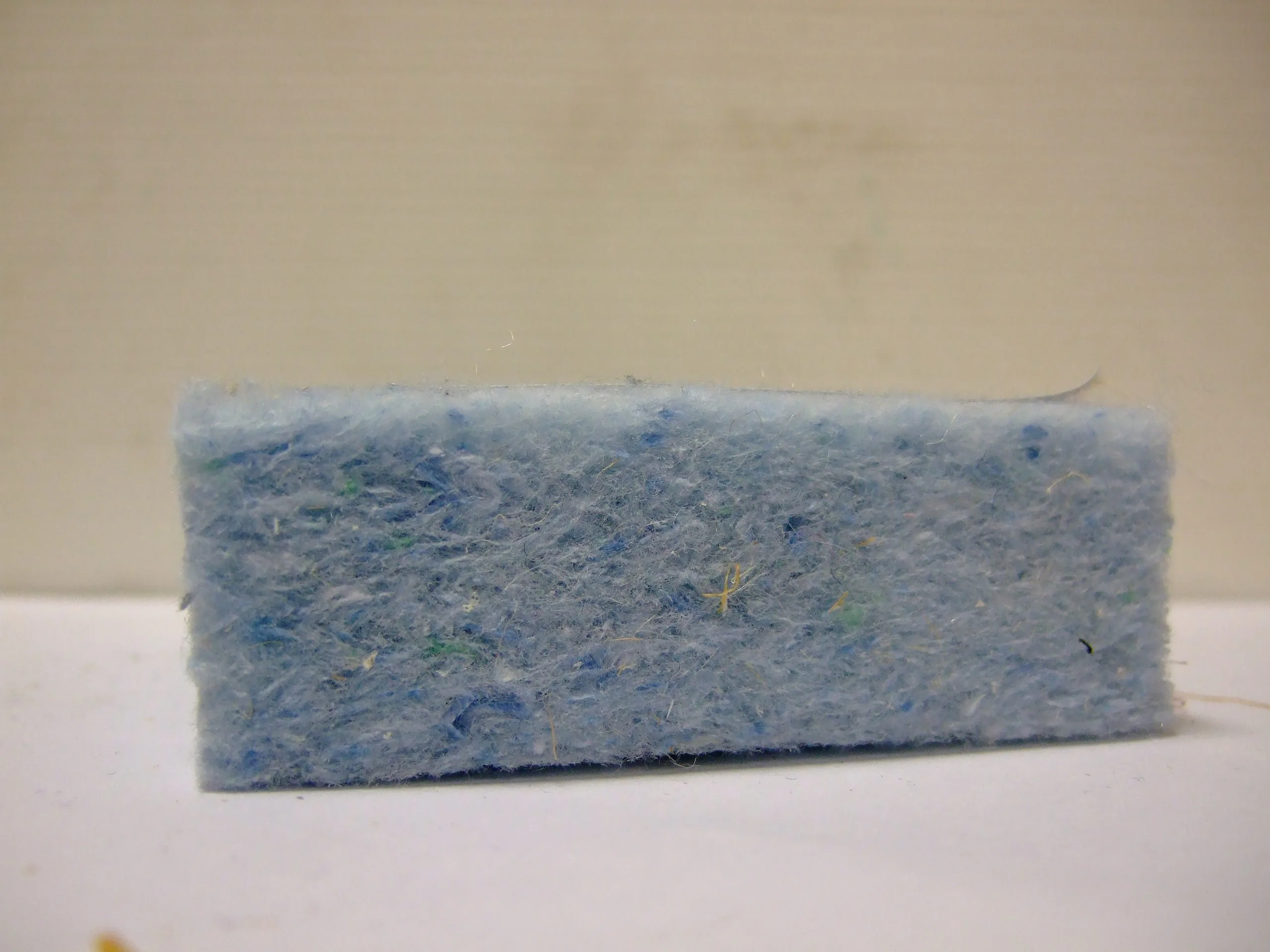
In addition to acoustic measurements, the research team conducted optical microscopy analyses to assess the current condition of the fibers and examine characteristics such as fiber diameter and porosity. These analyses helped provide a better understanding of the physical changes associated with natural ageing.
Greater Confidence for Circular Construction
Although the samples were not installed in buildings throughout the entire study period, they were exposed to environmental factors comparable to those experienced by many indoor acoustic treatment materials. Consequently, the findings provide highly valuable information for architects, engineers, manufacturers, and professionals responsible for specifying materials in construction projects.
The study’s main conclusion is clear: acoustic materials manufactured from recycled and natural fibers can not only deliver excellent initial performance but can also maintain their properties over extended periods of time. This scientific evidence helps reduce uncertainty regarding their durability and strengthens their potential as sustainable alternatives for designing more efficient and environmentally responsible buildings.
Studies like this demonstrate that sustainability and functionality can go hand in hand. At a time when the transition toward a more circular construction sector is essential, having real-world data on the long-term performance of these materials represents an important step toward accelerating their adoption in the buildings of the future.
More information:
Jesús Alba, Romina del Rey, Jordi Garcia-Peris. Durability of recycled and natural fibrous acoustic materials undergoing long-term indoor ageing. Case Studies in Construction Materials, Volume 25, 2026, e06339, ISSN 2214-5095, https://doi.org/10.1016/j.cscm.2026.e06339 .